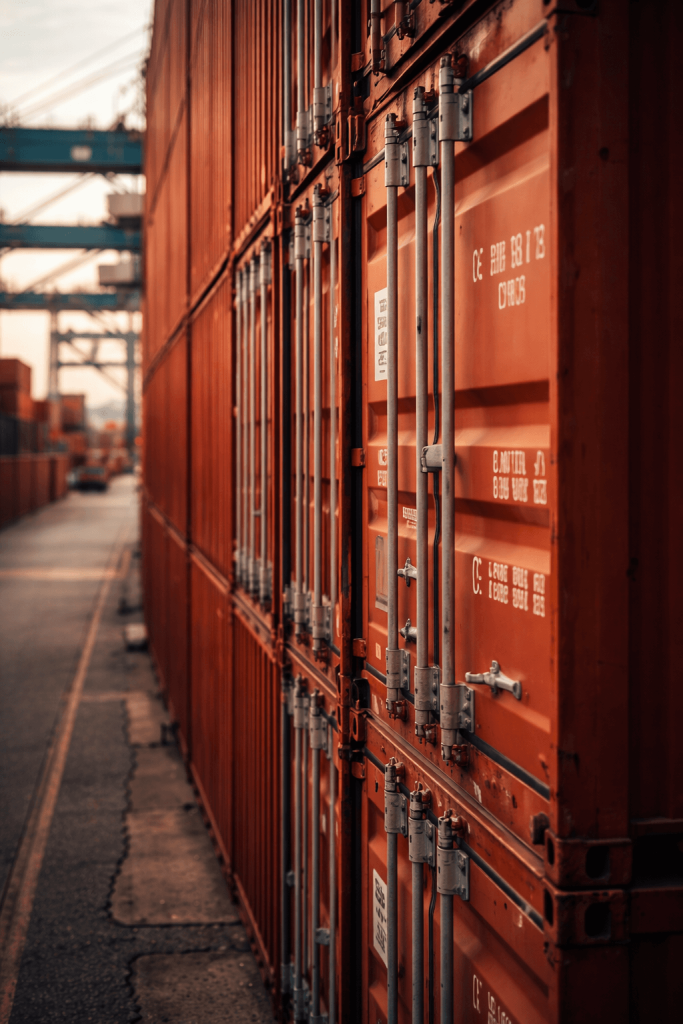
Indonesia is one of the largest coffee exporters in the world, supplying green and roasted coffee to markets such as the United States, Egypt, Malaysia, Japan, and Italy. Coffee exports play a critical role in Indonesia’s socio-economic structure, supporting millions of smallholder farmers, processors, traders, and downstream businesses.
For companies planning to enter the global coffee trade, understanding Indonesia’s coffee origins, export regulations, and compliance requirements is essential. This guide explains how to become a coffee exporter in Indonesia, from origin knowledge to legal documentation and shipment readiness.
Why Indonesia Is a Key Coffee Exporting Country
Indonesia sits along the equator, providing ideal climate conditions for coffee cultivation. Combined with diverse volcanic soils and varied altitudes, this geography allows Indonesia to produce Arabica, Robusta, and Liberica coffees with distinctive flavor profiles.
As a result, Indonesia consistently ranks among the top global coffee exporters, contributing significant foreign exchange earnings and maintaining strong demand from international roasters and distributors.
Major Coffee Origins in Indonesia for Export
Understanding regional coffee characteristics helps exporters position products correctly in global markets.
Sumatra Coffee Origins
Many Sumatra coffees use the wet-hulled (Giling Basah) processing method, known for producing full body and low acidity.
Arabica Coffee (Sumatra)
Produced in regions such as Gayo, Sidikalang, Samosir, Simalungun, Lintong, Mandheling, and Kerinci. These coffees typically show:
-
Low acidity
-
Medium to heavy body
-
Earthy, herbal, or chocolatey notes
Liberica Coffee (Sumatra)
Sourced from Rangsang Meranti and Tungkal Jambi. Known for:
-
Low acidity
-
Strong body
-
Intense aroma with light nutty character
Robusta Coffee (Sumatra)
Produced in Semendo and Lampung, offering:
-
Low acidity
-
Strong body
-
Caramel and nutty notes
Java Coffee Origins
Java is home to some of the oldest coffee plantations in the world and remains a strategic origin for specialty and commercial export.
Arabica Coffee (Java)
Produced in regions such as Java Preanger, Ciwidey, Puntang, Sindoro-Sumbing, Jampit, and Ijen Raung. Typical profile:
-
Medium acidity
-
Medium body
-
Clean, balanced flavor
Robusta Coffee (Java)
Mainly from Temanggung, characterized by:
-
Low acidity
-
Strong body
-
Tobacco, chocolate, and sweet notes
Kalimantan Coffee Origins
Kalimantan is known for Liberica coffee, grown in lowland peat soils.
Liberica from West Kotawaringin (Central Kalimantan) and Kubu Raya (West Kalimantan) offers:
-
Medium acidity
-
Strong body
-
Unique notes of jackfruit and herbal tones
Bali and East Nusa Tenggara (NTT)
Beyond tourism, Bali and NTT produce export-quality coffee with bright characteristics.
Arabica Coffee (Bali & NTT)
From Pupuan, Kintamani, Bajawa, and Sokoria:
-
Higher acidity
-
Lighter body
-
Citrus, floral, and fruity notes
Robusta Coffee (Bali & NTT)
From Tambora and Wae Rebo:
-
Low acidity
-
Strong body
How to Export Coffee from Indonesia: Step-by-Step
To become a coffee exporter in Indonesia, businesses must follow a structured export process.
1. Meet Coffee Quality Standards
Exported coffee must comply with Indonesian Ministry of Trade quality standards. These standards ensure product safety, consistency, and buyer confidence. Meeting specifications reduces rejection risk and trade disputes.
2. Establish Legal Business Status
Coffee exporters must operate under a registered business entity (individual, CV, or PT).
-
New exporters are registered as Temporary Coffee Exporters
-
Exporters shipping 200 tons or more per year qualify as Registered Coffee Exporters, with licenses valid for five years
-
If no exports occur within one year, registration becomes invalid
3. Prepare Export Documents
Required export documents include:
-
Packing List
-
Commercial Invoice
-
Shipping Instructions
-
SPEK (Surat Persetujuan Ekspor Kopi) for all Indonesian ports
These documents define shipment value, volume, and compliance.
4. Submit PEB and Obtain NPE
Exporters must submit a Goods Export Notification (PEB) to Customs. Once approved, Customs issues an Export Service Note (NPE), allowing shipment clearance.
5. Obtain Phytosanitary Certificate
Coffee must pass quarantine inspection to confirm it is free from pests or diseases. The Ministry of Agriculture issues a Phytosanitary Certificate, a mandatory document for international shipment.
6. Ship the Coffee
Once documents and inspections are complete, coffee is ready for export. Shipments may include:
-
Green coffee beans
-
Roasted coffee beans
Delivery time depends on destination, shipping route, and logistics arrangements.
Conclusion
Becoming a coffee exporter in Indonesia requires origin knowledge, regulatory compliance, quality control, and logistics planning. With diverse coffee regions and strong global demand, Indonesia offers significant opportunities for exporters who operate with discipline and transparency.
Successful exporters focus on documentation accuracy, traceable sourcing, and consistent quality—key factors that build long-term buyer trust.
Coffee Export Solutions by Global Agrinesia Abadi
Global Agrinesia Abadi supports international buyers and partners with export-ready Indonesian coffee, including Arabica, Robusta, and Liberica from key origins across the country. We assist with sourcing, documentation, quality control, and logistics for global markets.
📱 WhatsApp: +62 897-0077-028 / +62 819-0222-2092
📧 Email: info@globalagrinesiaabadi.com
🌐 Website: globalagrinesiaabadi.com