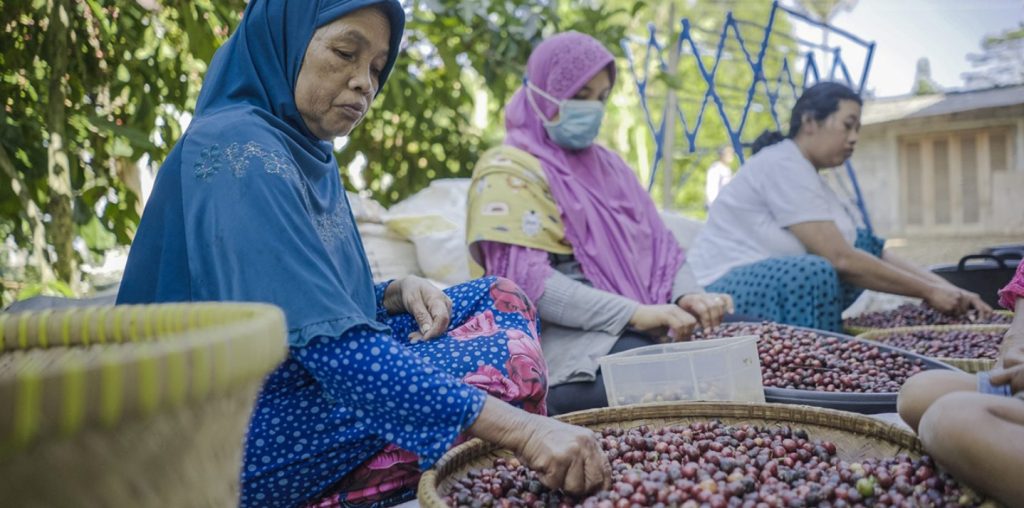
Ripe Cherry Harvesting in Temanggung: Indonesia’s Specialty Coffee Method for Global Export
Indonesia has long been recognized as one of the world’s most important coffee-producing countries. With its tropical climate, fertile volcanic soils, and generations of farming knowledge, Indonesian coffee continues to attract global buyers seeking distinctive flavor profiles and sustainable sourcing.
One region that stands out is Temanggung, Central Java, where local farmers apply a ripe cherry harvesting method to produce export-grade specialty coffee beans.
This unique approach plays a crucial role in improving quality consistency, cup character, and market value—making Temanggung coffee increasingly relevant for international markets in 2026 and beyond.
Indonesia’s Coffee Landscape in 2026
Coffee cultivation in Indonesia dates back to the late 17th century, when coffee trees were first introduced during the colonial period. Today, Indonesia remains among the top global coffee producers, with plantations covering more than 1.2 million hectares nationwide.
Key characteristics of Indonesia’s coffee industry in 2026 include:
- Over 95% of production managed by smallholder farmers
- A strong dominance of Robusta, alongside high-quality Arabica from selected regions
- Growing demand from Europe, the Middle East, East Asia, and North America
- Rising consumption of specialty, RTD (ready-to-drink), and sustainably sourced coffee
Indonesia’s coffee reputation is no longer built on volume alone, but increasingly on processing methods, traceability, and post-harvest quality control.
Why Temanggung Coffee Is Gaining Global Attention
Temanggung is located on the slopes of Mount Sumbing and Mount Sindoro, an area known for:
- Volcanic soil rich in minerals
- Stable rainfall patterns
- Ideal altitude for both Arabica and Robusta varieties
These natural advantages are enhanced by local farming practices—especially the ripe cherry harvesting method, which has become a defining feature of Temanggung coffee.
Understanding the Ripe Cherry Harvesting Method
Coffee beans are seeds found inside coffee cherries. The quality of the final bean is highly dependent on the ripeness level at harvest.
Temanggung farmers classify cherries into three stages:
- Unripe (green) – low sugar content, flat flavor
- Semi-ripe (yellow to orange) – moderate sweetness
- Fully ripe (deep red) – high sugar content and optimal flavor potential
In the ripe cherry harvesting method, farmers select only fully ripe red cherries, ensuring uniformity before post-harvest processing begins.
Post-Harvest Coffee Processing Methods in Temanggung
After harvesting, cherries undergo post-harvest processing. Each method influences the aroma, body, acidity, and flavor complexity of the coffee.
1. Full Washed Method
Cherries are pulped and fermented before washing and drying.
Flavor profile:
- Clean cup
- Bright acidity
- Light to medium body
2. Semi-Washed Method
After pulping, beans are partially dried before further processing.
Flavor profile:
- Fuller body
- Lower acidity
- Spicy and earthy notes
3. Natural (Dry) Method
Whole cherries are sun-dried without pulping.
Flavor profile:
- Low acidity
- Fruity and exotic notes
- Heavier body
4. Pulped Natural Method
Cherries are pulped but not washed before drying.
Flavor profile:
- Balanced sweetness
- Consistent flavor
- Rarely used due to higher risk and labor intensity
The ripe cherry harvesting method significantly improves results across all these processes by maximizing sugar content and minimizing defects.
Why Ripe Cherry Harvesting Matters for Export Markets
For international buyers, consistency and quality are critical. Ripe cherry harvesting offers clear advantages:
- Higher cupping scores
- More stable moisture content
- Reduced defect rates
- Improved traceability
- Higher market value for farmers
This method allows Temanggung coffee to meet specialty coffee standards required by roasters, distributors, and beverage manufacturers worldwide.
Supporting Farmers for Sustainable Coffee Growth
Coffee plays an essential role in Indonesia’s rural economy. In Temanggung, improved harvesting and processing practices help:
- Increase farmer income
- Strengthen local supply chains
- Support long-term sustainability
Through collaboration, training, and post-harvest support, Indonesian coffee continues to evolve from a commodity product into a premium global offering.
Indonesia Coffee for Global Markets
As global demand for responsibly sourced coffee continues to grow in 2026, methods like ripe cherry harvesting position Indonesian coffee—especially from Temanggung—as a competitive and reliable origin.
With the right combination of traditional knowledge, modern processing, and export readiness, Indonesian coffee is well prepared to serve international markets with consistent quality and authentic origin stories.
Trusted Indonesian Coffee Supplier
For buyers seeking high-quality Indonesian coffee beans sourced directly from farmers:
📱 WhatsApp: +62 897-0077-028 / +62 819-0222-2092
📧 Email: info@globalagrinesiaabadi.com / sm@globalagrinesiaabadi.com🌐 Website: globalagrinesiaabadi.com