🌿
Coffee Bean Distributor Indonesia: B2B Specialty Coffee Sourcing Guide
A coffee bean distributor in Indonesia supports B2B buyers by managing sourcing, quality control, documentation, and delivery across complex supply chains. Roasters, cafés, hotels, offices, and retailers depend on consistent lot quality and reliable lead time, so they require clear specifications and stable supply flow.
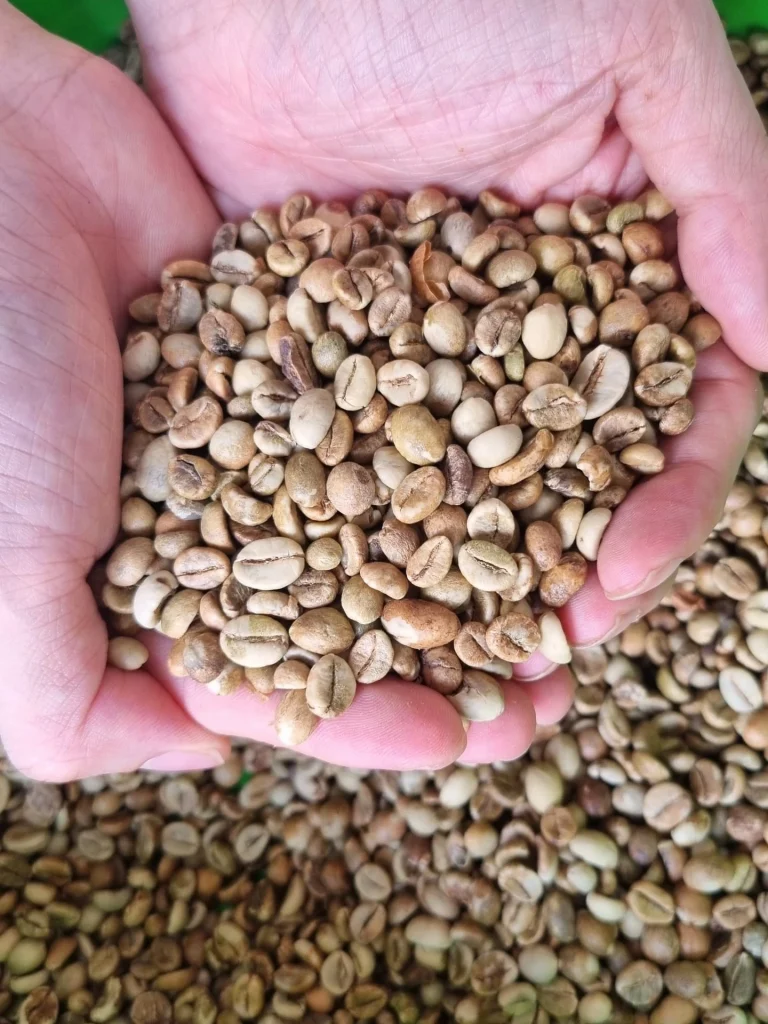
Indonesian buyers typically source either green coffee beans for full roasting control or roasted coffee beans for faster operations. Therefore, B2B buyers should define origin, processing method, roast level targets, and expected flavor notes before placing orders with a distributor.
At Global Agrinesia Abadi, we support B2B coffee sourcing with export-ready systems, traceable supply, and Indonesia-based logistics designed for domestic and international buyers.
What Is a Coffee Bean Distributor?
A coffee bean distributor connects coffee supply from origin to business buyers while protecting quality, consistency, and delivery schedules. The distributor selects and aggregates lots, defines specifications, and supplies coffee with documented attributes such as:
-
Origin and region
-
Variety and grade
-
Moisture content
-
Processing method
-
Lot identity and volume
In Indonesia, a coffee bean distributor often manages inter-island transport, export preparation, warehousing, and last-mile delivery. As a result, B2B buyers should view the distributor as a long-term supply partner, not just a seller.
How Coffee Bean Distribution Works in Indonesia
Coffee distribution moves identifiable lots from farms to buyers while maintaining traceability and quality controls. A professional coffee bean distributor manages this process through several stages:
-
Origin Selection – Choosing regions and producers based on harvest cycle and quality targets
-
Processing & Grading – Setting standards for screen size, moisture, and defect limits
-
Storage & Inventory – Managing humidity, rotation (FIFO), and packaging integrity
-
Logistics & Documentation – Coordinating transport, packing lists, and delivery schedules
In Indonesia, the supply chain may include cooperatives, wet mills, dry mills, and warehouses near ports or consumption centers. Stable lot codes are critical, because roasters rely on repeatable profiles for consistent results.
Coffee Bean Distributor Services for B2B Buyers
Beyond basic bean supply, a coffee bean distributor may offer additional services that reduce operational risk and improve consistency.
| Service | What It Includes | Best For |
|---|---|---|
| Pre-shipment sampling | Green & roast samples, spec sheets | Roasters, QA teams |
| Cupping data | Score, defect notes, flavor profile | Procurement teams |
| Lot reservation | Inventory planning, buffer stock | Multi-outlet cafés |
| Custom roasting | Roast targets, batch logs | Cafés, offices |
| Private label | Branding, packaging, blends | Retail & hospitality |
| Logistics coordination | Dispatch, tracking, delivery | All B2B buyers |
Choosing a Coffee Bean Distributor in Indonesia
Selecting a coffee bean distributor requires matching buyer needs to distributor capability.
1. Product Format
-
Green coffee beans require stable moisture, careful storage, and clear lot identity
-
Roasted coffee beans require roast-date control, fast delivery, and oxygen-barrier packaging
2. Volume and MOQ
Buyers should confirm minimum order quantities by origin and processing method, because availability changes with harvest cycles.
3. Lead Time and Coverage
Indonesia’s geography affects delivery speed. A distributor should state:
-
Dispatch cut-off times
-
Delivery routes and coverage
-
Typical lead times per region
Licensing, Compliance, and Food Safety
A professional coffee bean distributor should provide:
-
Legal company identity and tax compliance
-
Clean storage and handling procedures
-
Proper labeling for roasted coffee (net weight, origin, blend info)
Compliance reduces financial, legal, and reputational risk for B2B buyers.
Quality Control and Traceability Standards
Strong quality control ensures repeatable results and protects buyer operations.
Moisture Content & Water Activity
Green coffee should remain within safe moisture ranges to prevent mold and quality degradation.
Defect Grading & Screen Size
Distributors should grade beans using a defined defect system and report acceptance thresholds.
Packaging & Storage
-
Green beans: lined bags or barrier liners
-
Roasted beans: valve bags to control oxygen exposure
Warehouses should control humidity, temperature, pests, and odors.
Pricing, Contracts, and Risk Management
Pricing works best when tied to clear specifications and delivery terms. Buyers should request quotes that list:
-
Unit price
-
MOQ
-
Lead time
-
Price validity
Written contracts reduce risk by defining:
-
Product specs
-
Claims and returns process
-
Lot substitution rules
-
Forecasting and reservation terms
Conclusion
A reliable coffee bean distributor in Indonesia combines origin access, quality control, and logistics into one transparent system. B2B buyers should define format, volume, and flavor targets, then validate suppliers through samples and data—not marketing claims.
Long-term performance depends on disciplined storage, documentation, and communication. Buyers should track KPIs such as on-time delivery, defect rates, and lot consistency, while distributors should invest in calibrated tools and trained quality teams.
Coffee Bean Supply by Global Agrinesia Abadi
Global Agrinesia Abadi supplies export-grade Indonesian coffee beans for B2B buyers, including roasters, cafés, distributors, and food service operators. We support green coffee, roasted coffee, and private label solutions with consistent quality and Indonesia-ready logistics.
📱 WhatsApp: +62 897-0077-028 / +62 819-0222-2092
📧 Email: info@globalagrinesiaabadi.com / sm@globalagrinesiaabadi.com
🌐 Website: globalagrinesiaabadi.com